Milwaukee M18 FUEL Oscillating Multi-Tool 2836-20
Updated April 27, 2026
By Drew Derekshaw
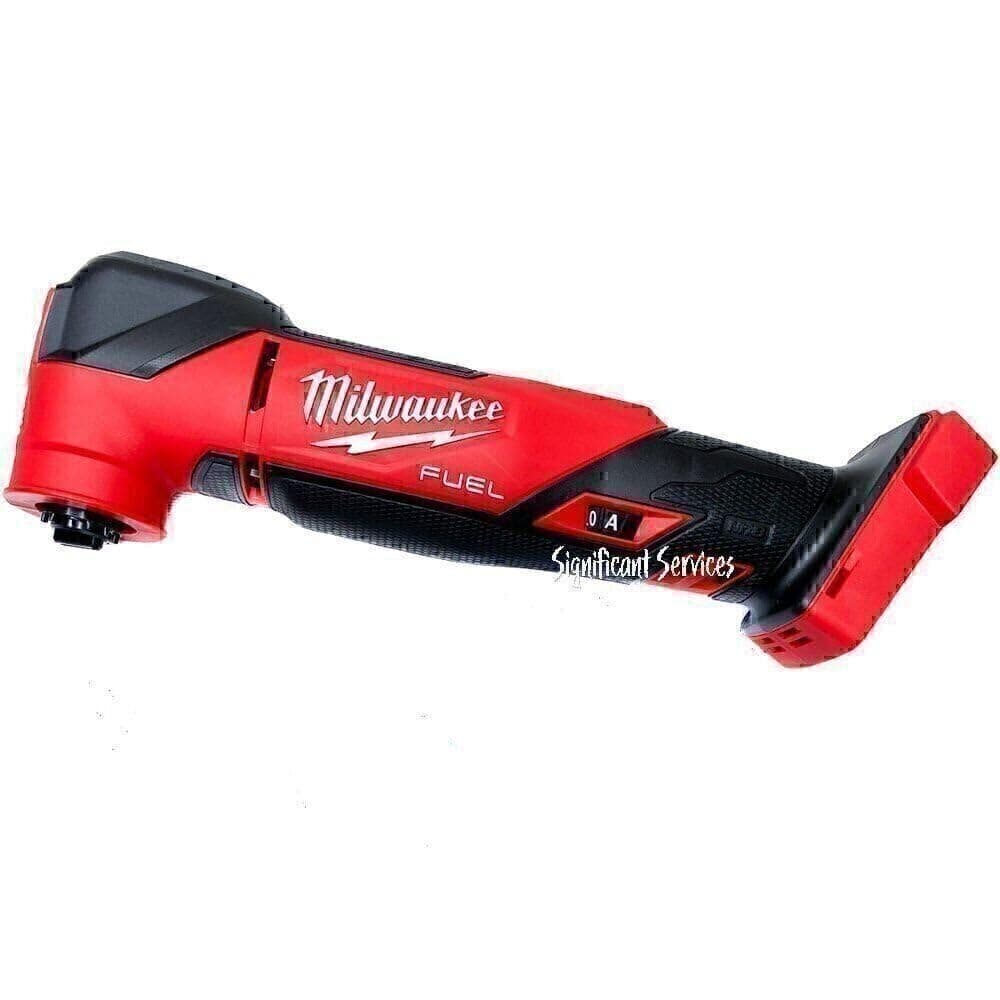
Milwaukee M18 FUEL Oscillating Multi-Tool 2836-20. Check our full review for pros, cons, and verdict.
See PricePros
- +Fastest cutting speed of any cordless oscillating tool, independently verified
- +4.2-degree oscillation angle is 30-40% wider than competitors
- +Very low vibration from decoupled oscillating head
- +Auto-Load mode ramps speed based on material resistance
- +5-year tool warranty, longest in class
- +M18 battery ecosystem with 200+ compatible tools
Cons
- -Blade change is slow with threaded bolt system
- -Loudest oscillating tool in comparative testing
- -Most expensive mainstream option as a bare tool
- -Blade can loosen when cutting thick steel under heavy load
Our Verdict
The fastest-cutting cordless oscillating multi-tool on the market. Tool Box Buzz timed it at 4.18 seconds per cut, nearly twice as fast as the DeWalt. The 4.2-degree oscillation angle and low vibration make long sessions much less tiring. Blade changes are slower than competitors, and it costs more, but the cutting performance gap is real.
Overview
The Milwaukee 2836-20 is an M18 FUEL cordless oscillating multi-tool. It cuts faster than anything else in its class. Tool Box Buzz tested 12 cordless oscillating tools head-to-head and the Milwaukee averaged 4.18 seconds per cut in wood, nearly twice as fast as the DeWalt DCS354B at 7.45 seconds. Pro Tool Reviews gave it a 9.6 out of 10 and called it "the crown jewel" of oscillating tools.
The secret is the oscillation angle: 4.2 degrees, about 30-40% wider than most competitors. A wider swing moves more material per stroke, which directly translates to faster cuts. Combined with the POWERSTATE brushless motor and surprisingly low vibration, the 2836-20 is the tool to get if you cut drywall, trim, flooring, or nails on a regular basis.
Key Features
The speed dial has 10 positions from 10,000 to 20,000 OPM, plus an "A" (Auto-Load) mode. Auto-Load starts at low speed and ramps up automatically as the blade engages material. It prevents the blade from catching and jumping when you start a plunge cut.
The OPEN-LOK blade system accepts both OPEN-LOK and OIS blades (the universal standard). It does not accept Starlock blades, which is worth knowing if you have a collection from a Bosch or Fein tool. Blade changes are tool-less but use a threaded bolt, which is slower than Bosch's StarlockPlus snap-in system.
A 180-degree LED wraps around the front of the tool for good visibility in cavities and dark corners. The bare tool weighs 2.58 lbs. With a 5.0Ah battery, it comes to about 4.2 lbs.
Performance
In Tool Box Buzz's 12-tool shootout, the Milwaukee took first place in cutting speed by a wide margin. The second-place Ryobi averaged 6.11 seconds, and the third-place DeWalt averaged 7.45 seconds. Home Fixated cut through an oak 1x4 in about 3 seconds and said they'd "yet to come across anything it won't power through." An independent 2026 test clocked a 2x4 cut at 8 seconds flat.
ToolRev compared the Milwaukee directly against the DeWalt DCS356. The Milwaukee stripped paint "twice as fast" during sanding and removed 18-gauge flooring staples "twice as fast." Grip vibration on the Milwaukee measured about one-third of the DeWalt's level.
A YouTube reviewer plunge-cut through a pressure-treated 2x8 and cut through two large nails and three finish nails without losing a tooth on the blade. Forum users on AR15.com describe it as "a beast" that "sails right through a 2x4 like nothing" with "no smoking hot blade, no burning wood smell."
The main performance complaint: noise. Tool Box Buzz ranked it 10th out of 12 tools in noise. The wider oscillation angle that makes it cut fast also makes it louder. Hearing protection is a good idea.
Build Quality & Design
The vibration dampening is where Milwaukee invested their engineering. The oscillating head is mechanically decoupled from the body. A water-cup vibration test showed barely any ripple from the 2836-20 versus visible shaking from the older brushed Milwaukee model. Multiple contractors on Amazon (4.7 stars, 716 ratings) specifically praise the low vibration for long cutting sessions.
The 5-year tool warranty is the longest in the oscillating tool category. DeWalt and Makita offer 3 years. Bosch offers just 1 year. A few owners have reported tool failures at 14-24 months, but these seem isolated rather than systematic.
The blade change system is the weak point. The threaded bolt works fine, but it's slower than the competition. Bosch's StarlockPlus blades snap in and out in seconds. If you change blades frequently throughout the day, the extra few seconds add up.
Value for Money
The 2836-20 is the most expensive mainstream cordless oscillating tool. The DeWalt DCS354B and Makita XMT03Z both cost significantly less. You're paying a premium for the cutting speed and vibration dampening.
Whether the premium is worth it depends on how often you use the tool. If you cut drywall, trim, and flooring daily on job sites, the Milwaukee pays for itself in time saved. If you use an oscillating tool a few times a year for home projects, the DeWalt does the job for less money.
Pro Tool Reviews noted that the only real competition at this performance level is the Fein SuperCut, which costs more than double. For contractors already on the M18 platform, the 2836-20 is the obvious choice.
Who Should Buy This
Contractors and remodelers who use an oscillating tool daily. The cutting speed difference is real and measurable. Saving 3 seconds per cut multiplied across hundreds of cuts is meaningful.
Anyone who gets hand fatigue from oscillating tools. The vibration dampening is among the best available, matched only by the Makita and Fein.
People already in the Milwaukee M18 ecosystem. The 200+ tool platform and shared batteries make adding the 2836-20 straightforward.
Who Should Skip This
If you change blades constantly and speed of blade swaps matters, the Bosch GOP18V-28N with StarlockPlus is faster to swap. The Bosch also has app-based speed presets if you want that level of control.
If budget is tight, the DeWalt DCS354B cuts slower but costs considerably less and weighs a quarter-pound less. For occasional DIY use, it's plenty capable.
If low-speed precision matters (scoring tile, cutting delicate trim), the Makita XMT03Z goes down to 6,000 OPM versus the Milwaukee's 10,000 OPM minimum. The Makita also has the lowest vibration of any oscillating tool, though it uses a brushed motor and is heavier.
Recommended Articles
Suggested Reads
Best Outdoor String Lights 2026
Our top picks for outdoor string lights, from budget solar options to heavy-duty commercial-grade strands for patios, decks, and backyards.
Best Galaxy Projectors 2026
The top galaxy and star projectors for bedrooms, from budget nebula lights to smart projectors with Alexa and Bluetooth speakers.
Best Cordless Cellular Shades 2026
The best no-drill cordless cellular shades and honeycomb blinds for renters and homeowners. Blackout and light filtering options that install in seconds without tools.
Best Solar Garden Lights 2026
Our top picks for solar garden lights, including pathway stakes, decorative globe lights, and firefly-style accents that charge during the day and glow all night.